Lip Gloss vs. Lip Oil: Which Is Right for Your Routine? A Complete Comparison
By Morpheusmart | Published: 2026-05-23
Category: Product Reviews
Discover the key differences between lip gloss and lip oil, including texture, hydration, shine, and longevity. Find out which lip product suits your daily routine best with expert tips and product recommendations.
When it comes to lip products, the debate between lip gloss and lip oil has taken the beauty world by storm. Both deliver a glossy, luscious finish, but they cater to different needs, textures, and priorities. Whether you’re a lip product aficionado or just starting to explore your options, understanding the nuances of each can help you make the right choice for your routine. In this comprehensive guide, we’ll break down the key differences, benefits, and ideal use cases for lip gloss and lip oil, so you can step up your lip game with confidence.
The Rise of Lip Oils: A Modern Hydration Hero
Lip oils have surged in popularity over the last few years, thanks to their lightweight, nourishing formulas that combine the shine of a gloss with the hydration of a treatment. Unlike traditional glosses that can feel sticky or heavy, lip oils are designed to sink into the lips, delivering moisture without the tackiness. They typically contain ingredients like jojoba oil, squalane, vitamin E, or hyaluronic acid, which help to soften and plump the lips over time.
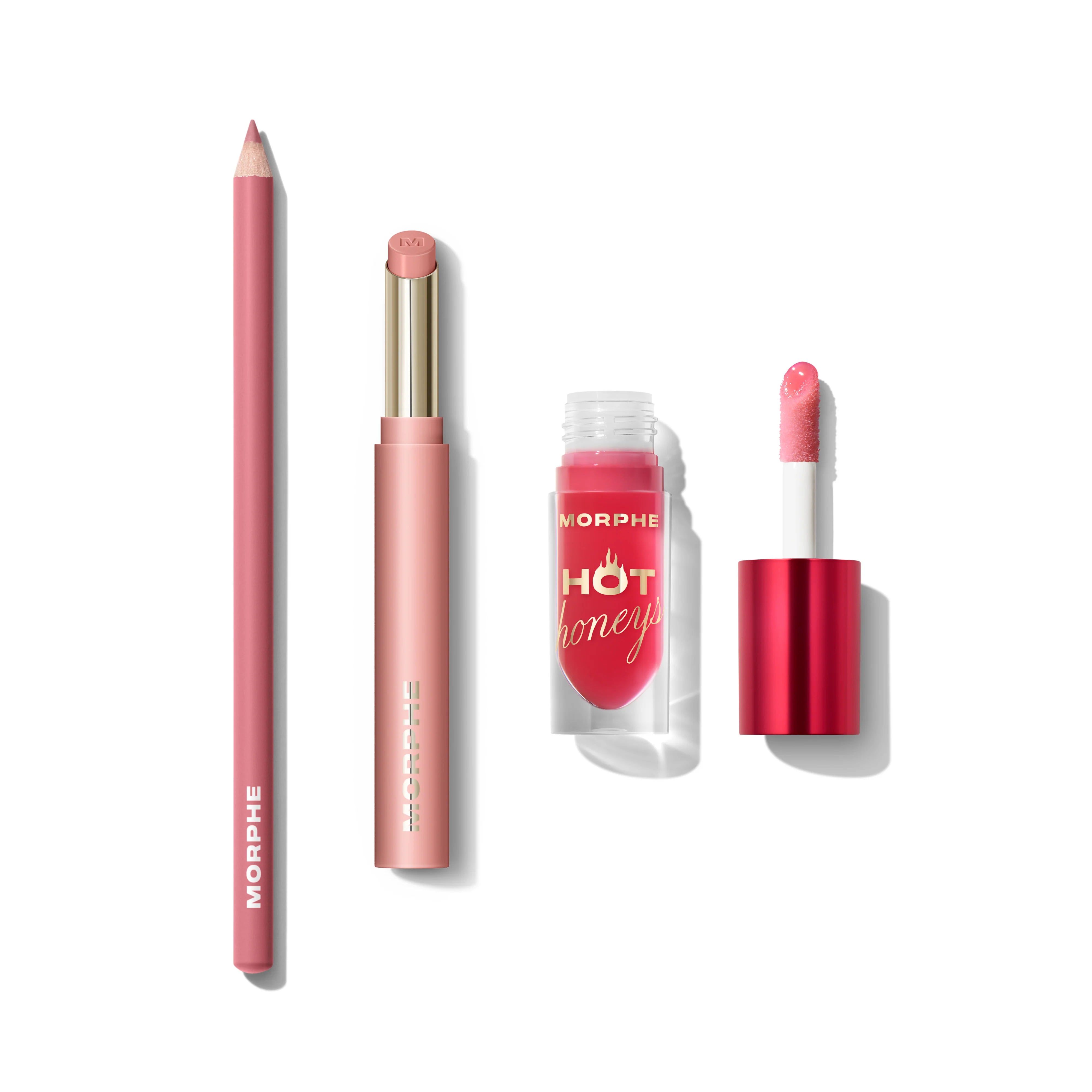
One standout in this category is the Hot Honeys Plumping Lip Oil, which combines a high-shine finish with a subtle tingling sensation that boosts lip volume. This product exemplifies the best lip oil qualities: it feels weightless, adds a gorgeous glass-like sheen, and keeps lips hydrated for hours. If you lean toward a more natural, “your lips but better” look, a lip oil is often the superior choice.
Lip Gloss: The Classic Shine with Staying Power
Lip gloss has been a staple in makeup bags for decades, and for good reason. It offers intense, mirror-like shine that catches the light and makes lips look fuller instantly. Modern glosses have evolved beyond the sticky, high-maintenance formulas of the past; many now include moisturizing elements like shea butter or coconut oil. However, glosses generally have a thicker viscosity than oils, which helps them adhere to the lips longer—but that can also lead to a tackier feel.
For those who love a dramatic, high-impact finish, lip gloss remains unbeatable. A great example is the Misbehaved Mini Dripglass Lip Gloss Trio, which offers three stunning shades with a non-sticky, glassy texture. This trio is perfect for experimenting with different looks without committing to a full-size product. Lip gloss benefits include immediate plumping effect, versatile shine levels (from sheer to opaque), and easy layering over lipstick or lip liner.
Key Differences: Texture, Hydration, and Longevity
To decide between lip gloss vs lip oil, let’s compare their core attributes side by side:
| Aspect | Lip Gloss | Lip Oil |
|---|---|---|
| Texture | Thick, often sticky; stays in place | Lightweight, slippery; feels like a serum |
| Hydration | Varies; some formulas include moisturizers | Very high; oil-based ingredients nourish deeply |
| Longevity | Longer wear (2–4 hours) due to thickness | Shorter wear (1–3 hours); needs reapplication |
| Shine Level | High, glossy, can be glass-like | Medium-to-high, more of a wet look |
| Lip Feel | Noticeable product on lips | Barely-there, comfortable |
As you can see, the choice largely depends on your personal priorities. If you want a long-lasting, high-impact shine that can survive a meal, lip gloss is your friend. If you prefer a comfortable, hydrating formula that improves lip health over time, lip oil wins hands down.
When to Choose Lip Oil
Lip oils are ideal for daily wear, especially if you have dry or sensitive lips. They work beautifully as a base under other lip products, or alone for a natural, dewy finish. Because they’re so lightweight, they’re perfect for hot weather or active days when you don’t want a heavy feel. The Hot Honeys Plumping Lip Oil is a prime choice for anyone seeking a best lip oil that doubles as a treatment. It’s also great for layering over a lip liner for extra shine without compromising color.
When to Choose Lip Gloss
Lip gloss is the go-to for evenings out, photoshoots, or any occasion where you want your lips to stand out. Its thick consistency means it can cover imperfections and create a uniform, plump appearance. The Misbehaved Mini Dripglass Lip Gloss Trio offers a variety of shades, from clear to bold, making it a versatile addition to any makeup collection. Lip gloss also pairs exceptionally well with matte lipsticks—apply a gloss on top for a modern, two-tone effect.
How to Incorporate Both Into Your Routine
Why choose one when you can have both? Many beauty enthusiasts keep a lip oil for everyday hydration and a gloss for special occasions. Here’s a simple routine:
- Prep: Exfoliate lips gently, then apply a lip balm or oil to moisturize.
- Base: Use a lip liner to define the shape and prevent feathering.
- Color (optional): Apply a lipstick or tint for more coverage.
- Finish: Top with lip gloss for high shine or lip oil for a hydrated glow.
If you prefer a low-maintenance routine, skip the lipstick and go straight for a lip oil. It’s a one-step wonder that hydrates and adds a subtle tint. For a more dramatic look, layer a gloss over a bold lip color.
Common Myths Debunked
Myth 1: Lip oils are just thin glosses.
Not true. Lip oils have a different composition—they’re mostly oil-based with little to no wax, whereas glosses often contain polymers and film-formers for stickiness. This makes oils more nourishing.
Myth 2: Lip gloss always dries out lips.
Older formulas could be drying, but many modern glosses include hydrating ingredients. Still, if you have chronic dryness, lip oil is a safer bet.
Myth 3: You can’t wear both together.
You can! Apply lip oil first for hydration, then a gloss on top for extra shine. Just let each layer settle for a minute.
Frequently Asked Questions
Is lip oil better than lip gloss for dry lips?
Yes. Lip oils are formulated with moisturizing oils that penetrate the skin, while glosses sit on top. For dry or chapped lips, lip oil is the superior choice.
Can lip gloss make lips look bigger?
Lip gloss creates an optical illusion of fullness due to its light-reflecting properties. Some glosses also contain plumping ingredients like cinnamon or peppermint. Lip oils can also enhance volume, but usually via hydration rather than irritation.
How often should I reapply lip oil?
Lip oils wear off faster than glosses—roughly every 1–2 hours. Reapply when the shine fades or lips feel dry. Since they’re so comfortable, it’s easy to reapply throughout the day.
Final Verdict: Lip Gloss vs. Lip Oil
In the battle of lip gloss vs. lip oil, there is no clear winner—only the best choice for your specific needs. If you prioritize hydration, comfort, and a natural look, invest in a high-quality lip oil. If you love bold shine, longer wear, and a statement-making pout, stick with lip gloss. Many people keep both in their collection for different occasions.
For a practical start, the Misbehaved Mini Dripglass Lip Gloss Trio is fantastic for gloss lovers who want variety, while the Hot Honeys Plumping Lip Oil is a must-try for anyone seeking the best lip oil experience. Whichever you choose, your lips will thank you for the extra love.
Ready to Upgrade Your Lip Routine?
Explore our curated selection of lip products to find the perfect match for your style. Whether you’re drawn to the hydrating glow of a lip oil or the dazzling shine of a gloss, we have something for everyone. Start your journey with the Hot Honeys Plumping Lip Oil and experience the difference a quality lip product can make. Your lips deserve the best!